Building the knowledge, tools, and connections for community ownership to grow
The Community Ownership Learning & Action Lab (COLA Lab) at the University of Miami is a national research and field-building initiative working to strengthen shared ownership of real estate.
Practice informs what we study, and what we learn returns to the field in forms practitioners can use. We conduct community-rooted research to co-create knowledge and resources shaped by the people leading this work on the ground, while helping lenders, policymakers, and other institutions understand how to support its advancement.
The COLA Lab exists to catalyze a more connected and scalable field while offering insights to help guide future projects and investments in equitable community development. Our current research explores how community ownership works in practice: what makes it possible and sustains it, and how that evidence can inform new directions ahead.
-
Strengthening the field requires a shared foundation of knowledge, tools, and alliances. The COLA Lab helps practitioners, funders, policymakers, and other field-builders:
See what community ownership makes possible and how it can build local wealth, stability, and power.
Talk about community ownership with shared language and stronger narratives that resonate.
Act with practical tools that build buy-in, stronger partnerships, and ideas that turn into action.
Our Strategies
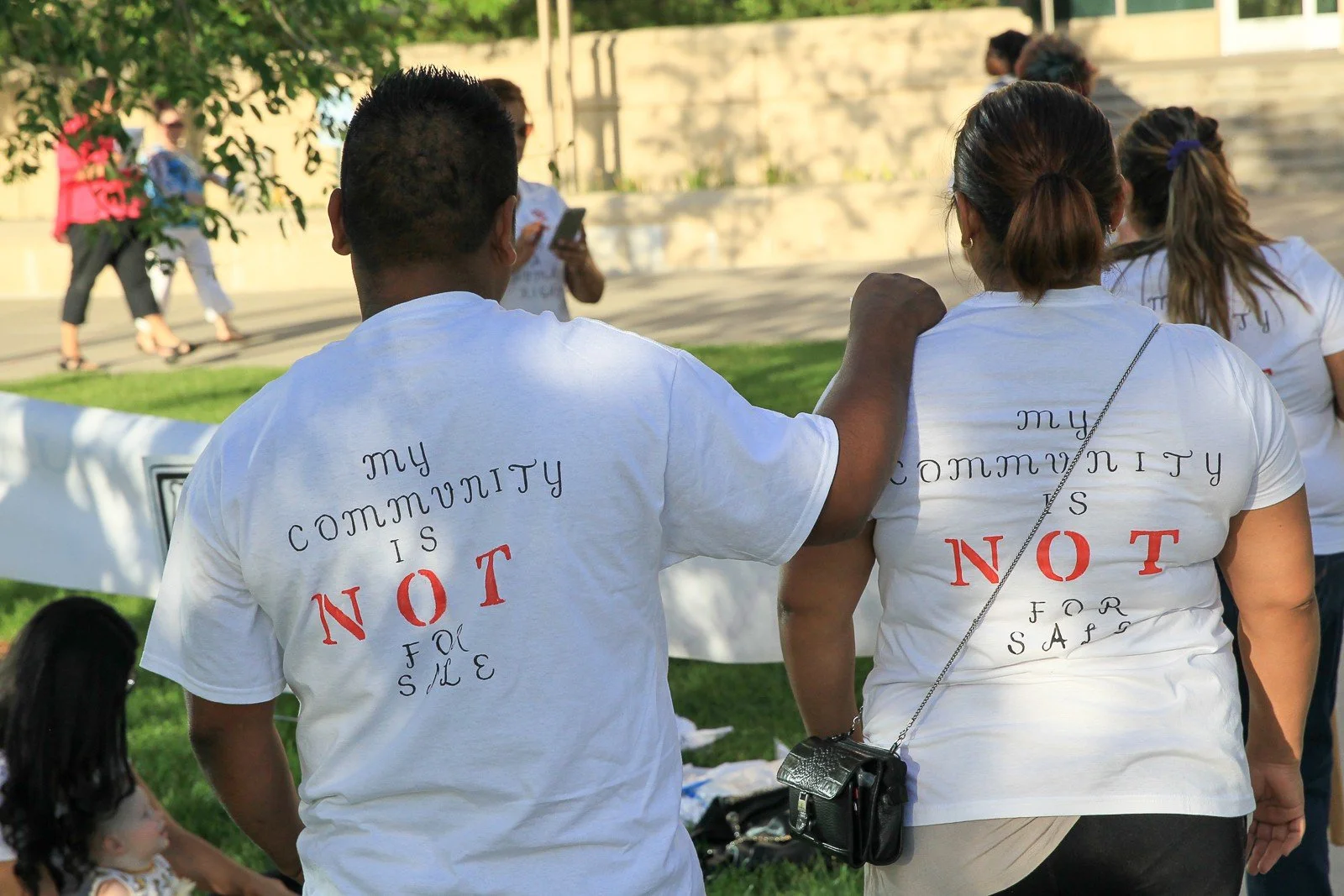
Guided by a Community Advisory Board (below), whose perspectives help make sure our work aligns with the priorities of communities, we focus on three strategies for systems change:
Changing system rules
Core Idea: To make community ownership thrive, we need to change the rules that govern land, finance, and policy.
Our findings and frameworks help funders, lenders, and policymakers pursue approaches that fit local realities instead of forcing one-size-fits-all models.
Creating durable alliances
Core Idea: Community ownership succeeds when people and institutions build lasting, power-sharing relationships and coalitions.
Our research reveals that trust, accountability, and shared purpose determine whether (and which) projects endure. Through our Community-Owned Futures Cohort, we support emerging leaders growing the field’s capacity and connectedness.
Driving new narratives
Core Idea: The stories we tell about asset ownership shape what people think is possible. We need new narratives to shift the discourse.
Our tools frame shared ownership as a path to long-term well-being, both individual and collective. We spotlight examples that show community ownership in action: real people creating stability and wealth through shared stewardship.
Laying the Groundwork
-
Community ownership is a people-centered approach to real estate ownership, one that prioritizes shared opportunity and collective benefit over individual private gain. It can be defined by its three core functions:
Redefining the rights, rules, and purpose of property ownership
Redistributing decision-making power
Reshaping finance so it prioritizes long-term community benefit
By giving residents and business owners a real stake in their neighborhood’s future, it helps keep wealth and decision-making where they belong — with the people who built and sustain that community.
While we refer to community ownership as one field, it isn’t one thing. It takes many forms, each shaped by people working together and navigating the systems around them.
-
In the U.S., who owns the land often determines who has stability, wealth, and even good health. But for generations, property ownership has been concentrated in the hands of a fortunate few and used mainly to generate private profit rather than to benefit the people who have long called that place home.
As a result, home prices have soared over the last 30 years while wages have stagnated, leaving nearly half of renters and one in four homeownersstruggling to keep up.
For small businesses, the story isn’t much different: about 40% couldn’t cover rent in full at the start of 2025. Many are being priced out as commercial rents climb, weakening local economies and taking away the shops and gathering places that keep neighborhoods strong.
In short, this looks like: local wealth extraction, gentrification, and displacement — all of which drive racial and health disparities.
-
Community ownership offers another way. It challenges the idea that real estate should serve the highest bidder above all else. When communities collectively own and control the places where they live and work, they can:
Keep property affordable for the long term.
Shape their own neighborhoods and protect residents from displacement.
Reinvest profits back into the community.
Build local wealth and decision-making power.

The Team
-
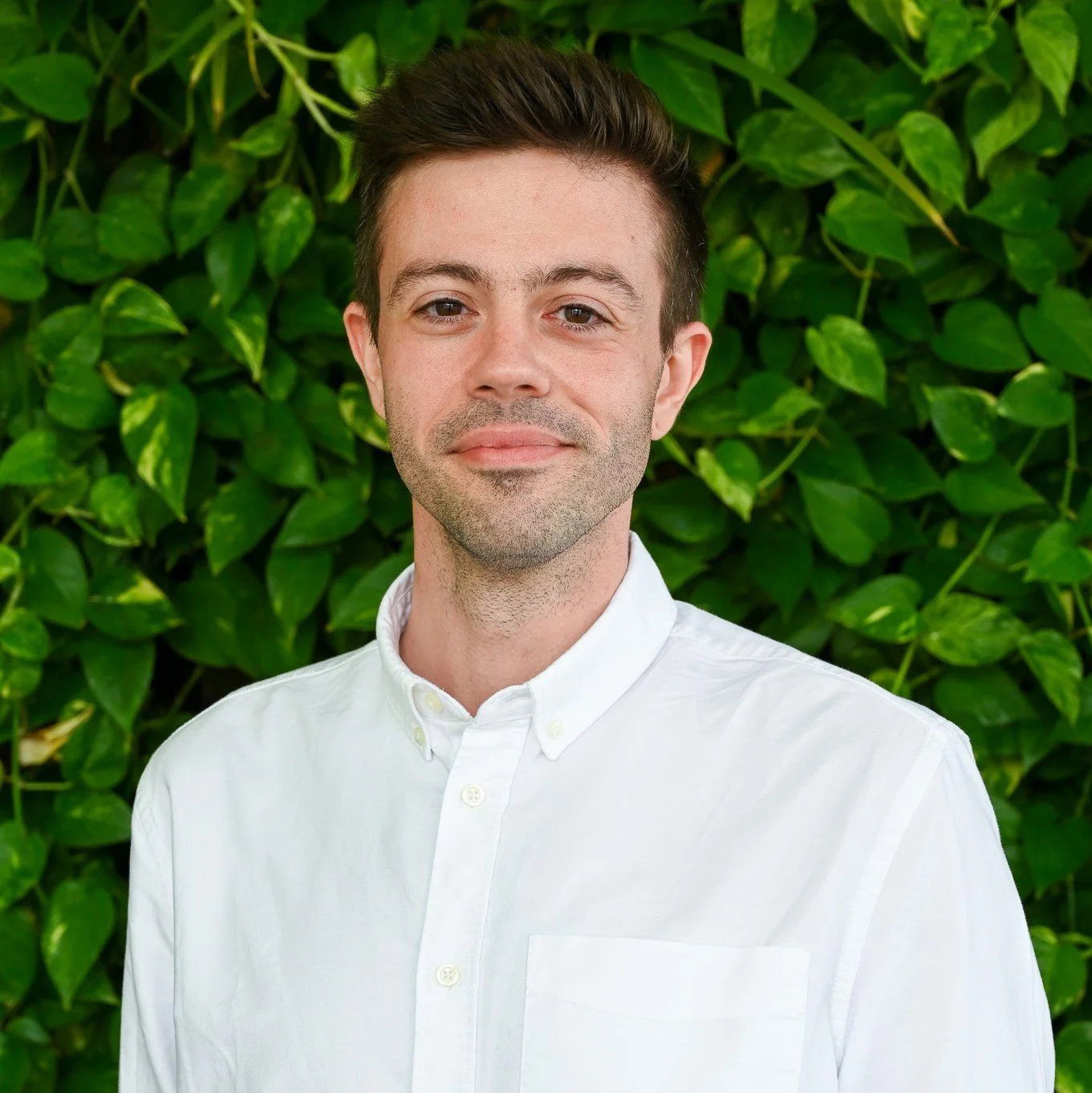
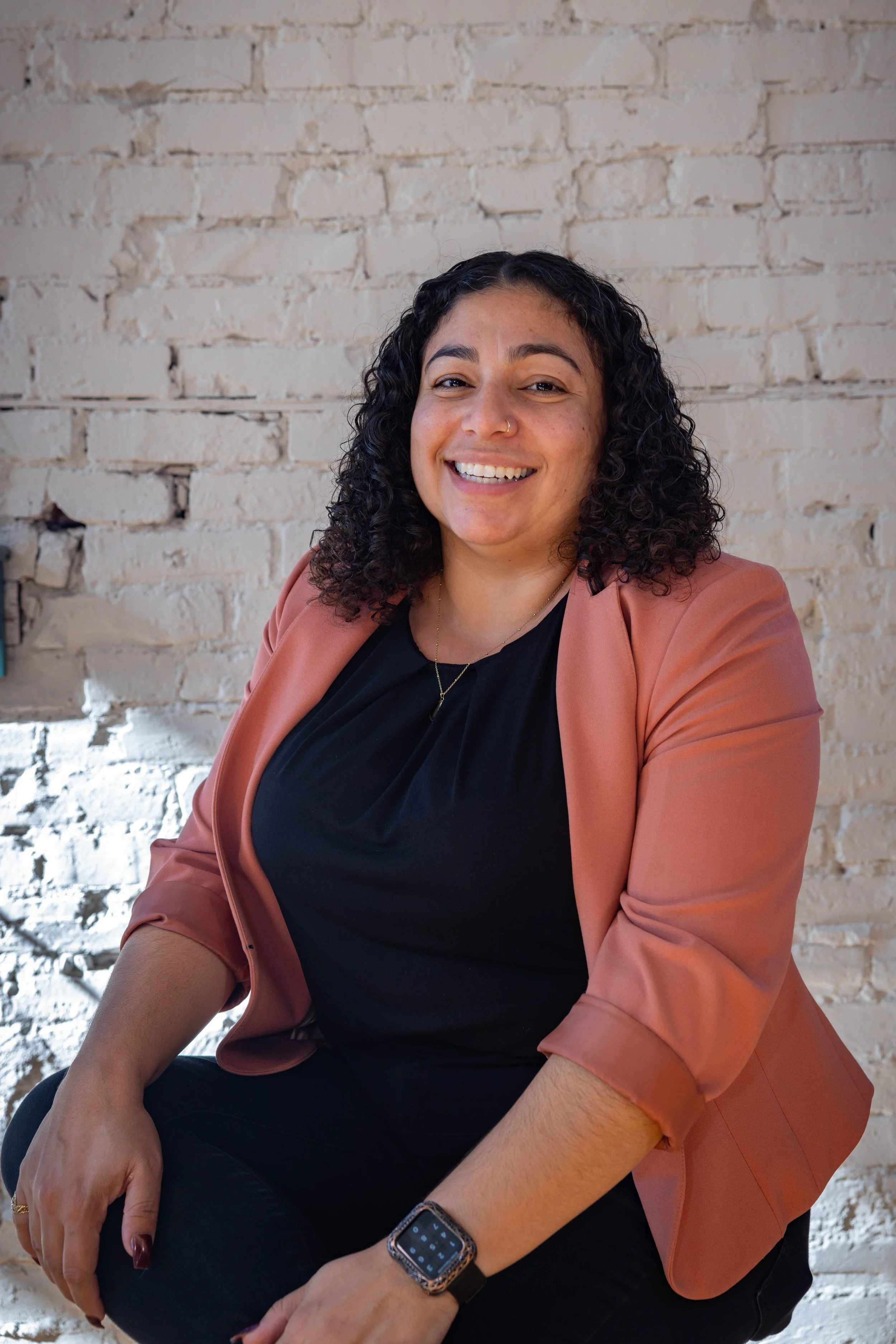
Ahmed Mori
CO-DIRECTOR
Sr. Research Associate, University of Miami
-
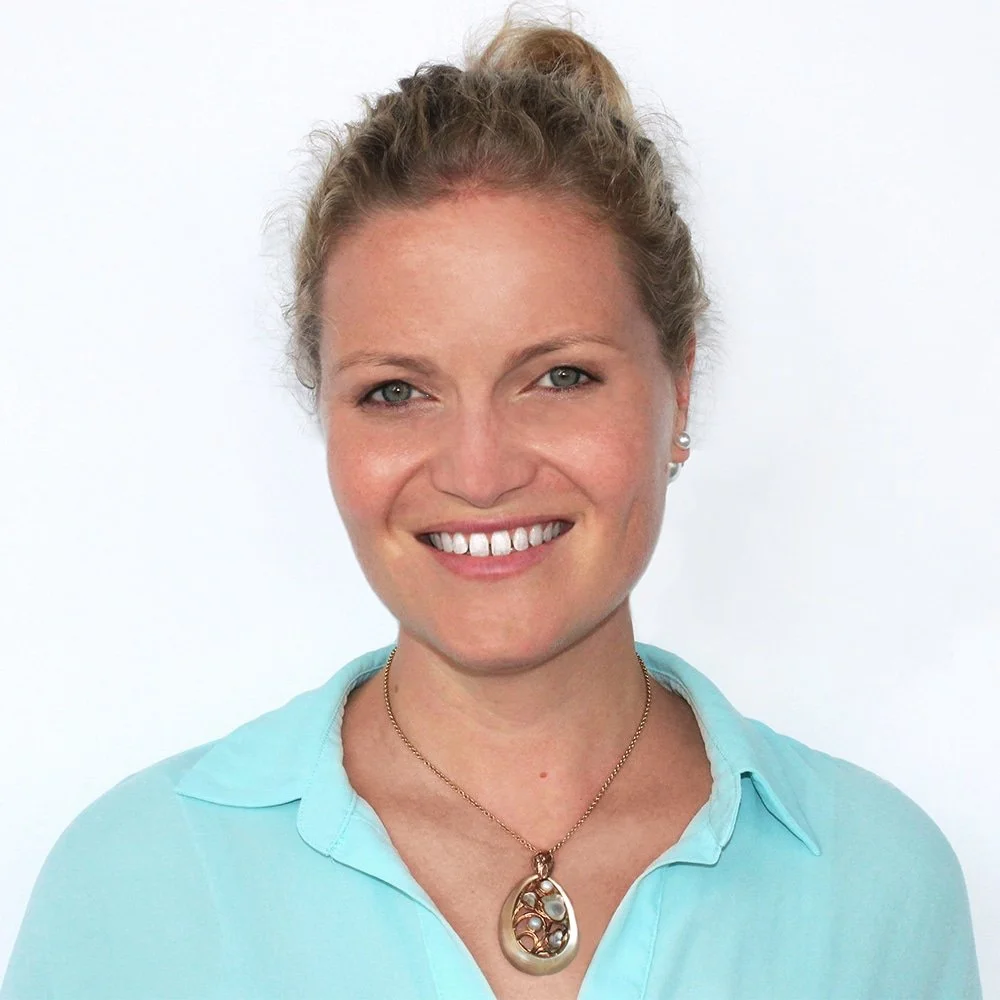
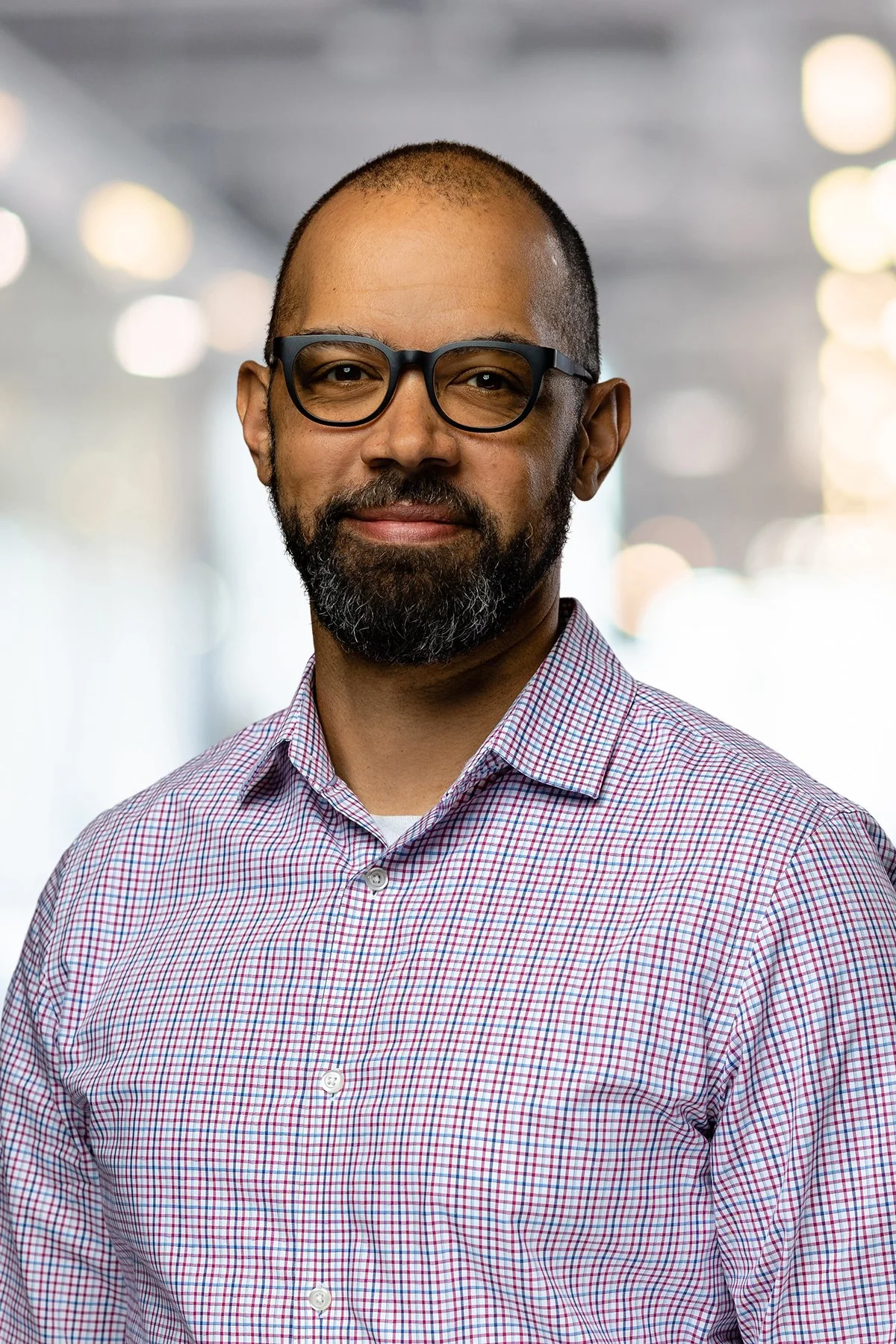
Gretchen Beesing
CO-DIRECTOR
Principal, Yes/And Strategies
-
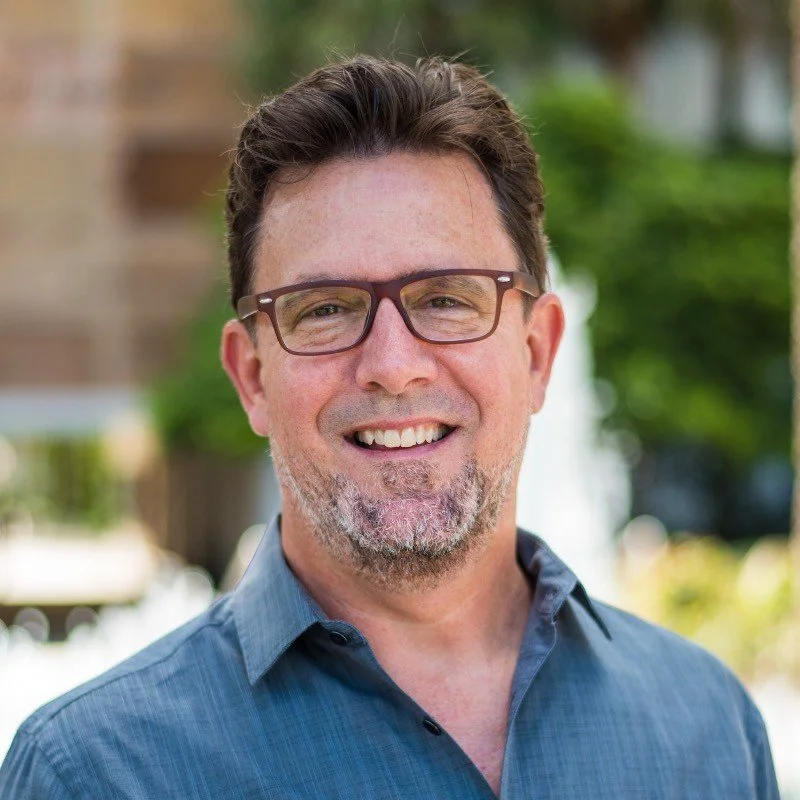
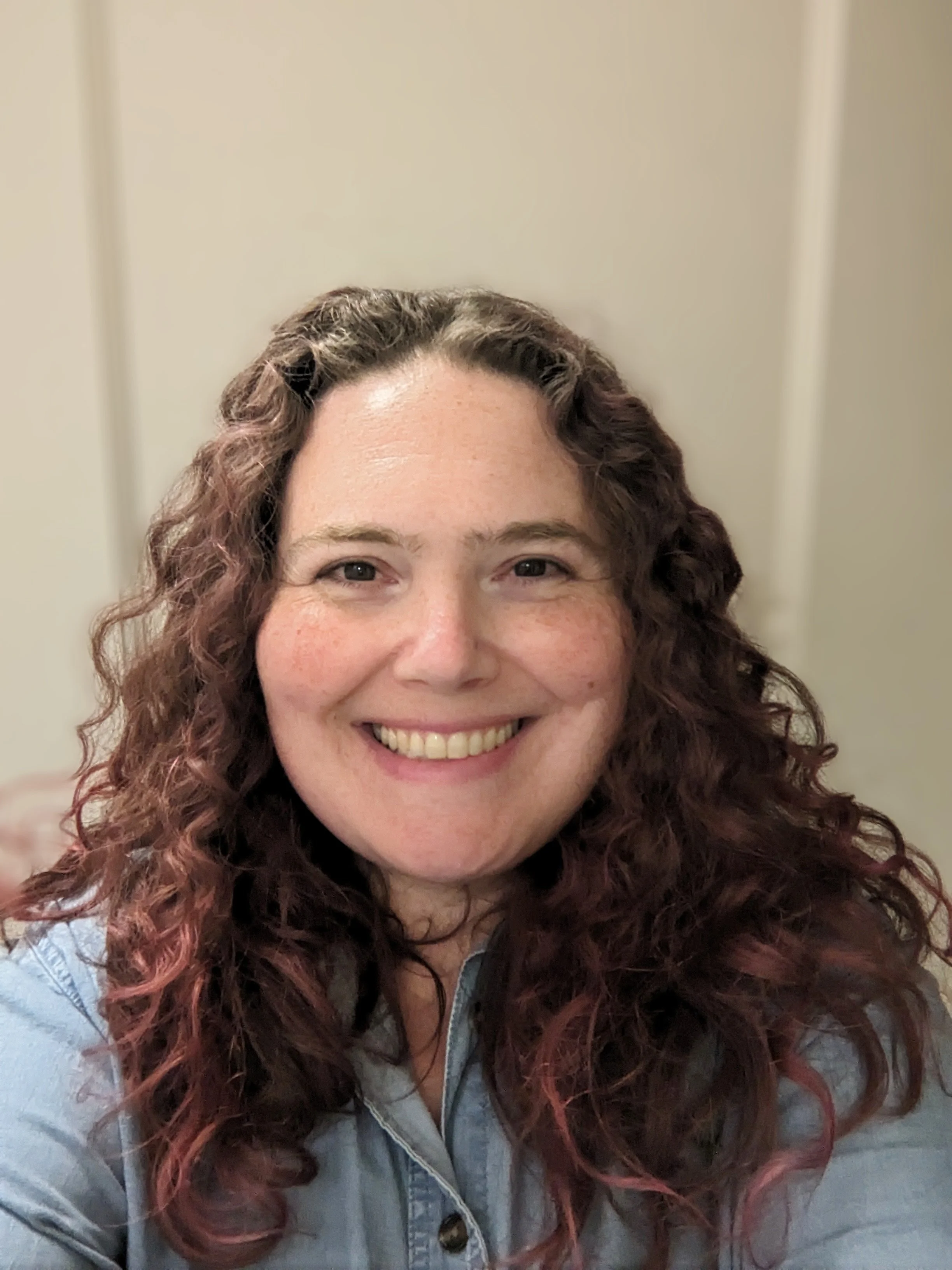
Dr. Scotney Evans
PRINCIPAL INVESTIGATOR
Associate Professor, Department of Educational & Psychological Studies, University of Miami
-
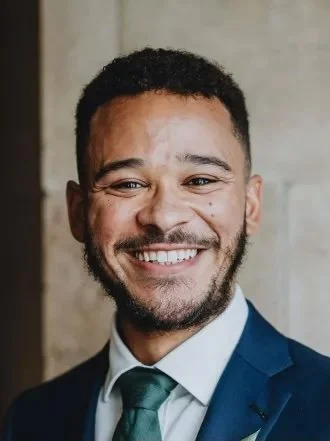
De'Sean Weber
PROJECT MANAGER
Sr. Research Associate, University of Miami
-
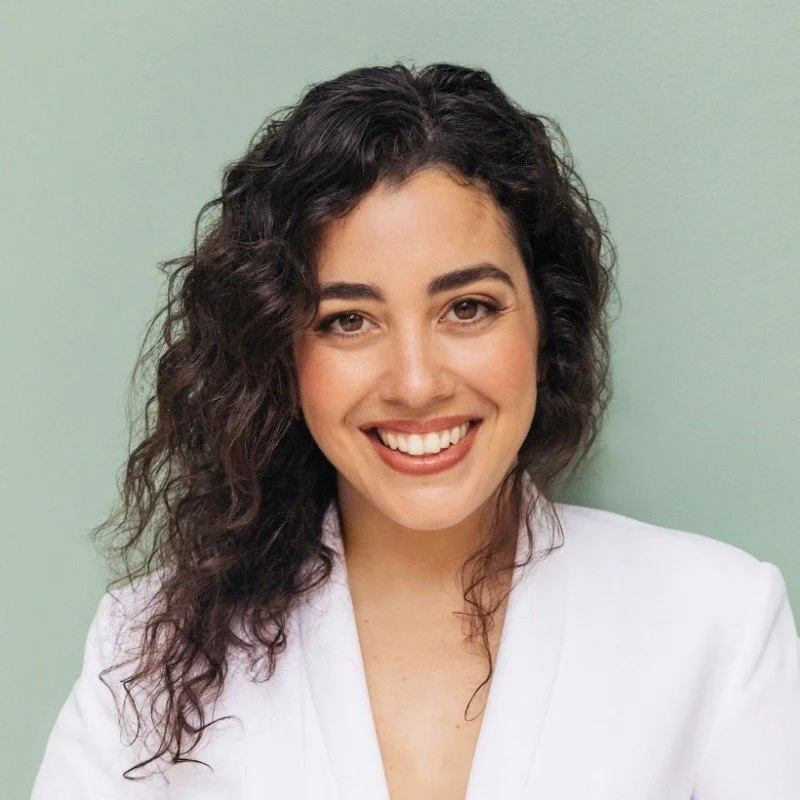
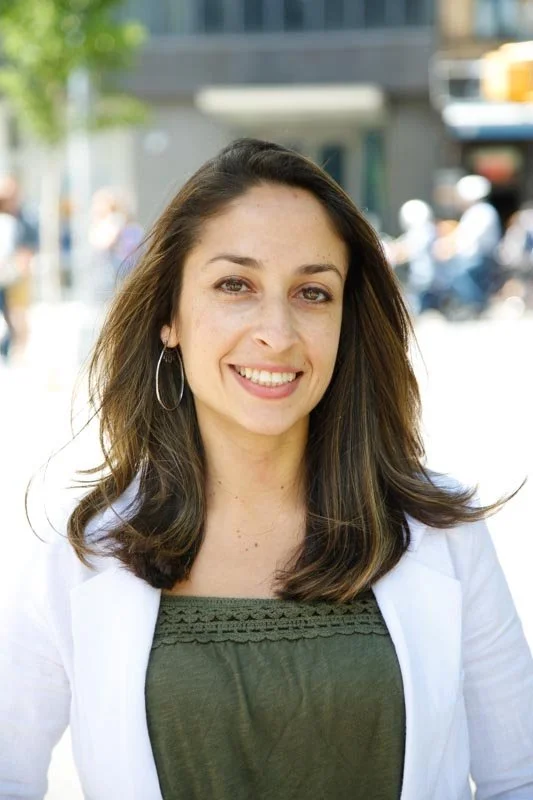
Carolina Fernandez
COMMUNICATIONS & NARRATIVE STRATEGIST
Consultant, Yes/And Strategies
The Partners

The Community Advisory Board
-
![]()
Adriana Abizadeh
Executive Director, Kensington Corridor Trust
Adriana Abizadeh is the executive director of Philadelphia-based Kensington Corridor Trust (KCT). The mission, duty, and purpose of the KCT is to utilize collective ownership to direct investments on the corridor that preserve culture and affordability while building neighborhood power and wealth in Kensington. Adriana is also a policy fellow at Princeton University and Rutgers University.With deep interests in public policy, Adriana has taken every opportunity to utilize her privileged position as a nonprofit leader to speak out for what she believes in and to lift the voices of impacted community members. Immersed in policy initiatives, she has facilitated community collaboration to address the intersectionality between immigration status, housing, poverty, and race.
Adriana has a BA in Political Science from Rutgers University with a minor in Security Intelligence and Counter Terrorism. She also has an MS in Public Policy from Drexel University. She has committed herself to serving on several boards that reflect some of her deepest passions: immigration, racial and health equity, and youth development. When Adriana isn’t serving her community, she is at home with her two children and their dogs.
-
![]()
Devin Culbertson
VP of Innovative Finance, Grounded Solutions Network
Devin is dedicated to scaling shared equity housing nationwide by combining technical expertise with a thoughtful, patient approach to problem-solving. As the leader of Grounded Solutions’ Innovative Finance practice, Devin provides technical assistance to shared equity housing organizations and collaborates with financial institutions to create products and strategies that ensure long-term housing affordability while fostering wealth-building opportunities. Devin also serves as Managing Director of the Homes for the Future Fund, focusing on acquiring single-family homes and investor portfolios to preserve affordability and create community wealth through shared equity ownership.Prior to joining Grounded Solutions, Devin was a Director at Enterprise Community Partners, where he led site coordination, community ownership initiatives, and capital strategy for the Strong Prosperous and Resilient Communities Challenge. Devin also led the launch of the $21M Regional Equitable Development Initiative Fund, designed to finance transit-oriented development in the Seattle region. With a background that spans analysis, equity underwriting, and the development of single-family and multifamily projects in Portland, Oregon, Devin brings a wealth of experience to the housing space.
A graduate of Willamette University and the University of Texas at Austin, Devin currently lives in Austin, Texas, with his wife and two sons.
-
![]()
Deyanira Del Rio
Executive Director, New Economy Project
Deyanira Del Rio, executive director of New Economy Project, has worked for more than 25 years to promote cooperative and community controlled finance, immigrants' economic rights, and neighborhood-led development. At New Economy Project, she has coordinated coalitions and campaigns focused on advancing community land trusts, public banking, and financial justice; trained hundreds of groups and testified at state and Congressional hearings; and co-designed foreclosure prevention, DACA, and solidarity economy loan funds. Deyanira previously worked in the community development credit union movement, serving in staff and board roles at Inclusiv (fka National Federation of CDCUs) and as board chair of the Lower East Side People’s Federal Credit Union. She is the recipient of the Frances Perkins Working People’s Award from the Fiscal Policy Institute, Mujeres Destacadas award from El Diario/La Prensa, and Revson Fellowship, and she served on the Federal Reserve Bank of New York’s inaugural Community Advisory Group. -
![]()
Elizabeth Wampler
Executive Director, LISC Bay Area
Elizabeth is Executive Director LISC Bay Area, which is based in Oakland and serves the 9-County Bay Area. Elizabeth brings nearly 20 years of experience in community development and city planning. Prior to joining LISC Bay Area, Elizabeth served as director for the Great Communities Collaborative at the San Francisco Foundation where she led strategy, learning, and partnership development, bringing together funders, advocates, organizers, and public sector partners to identify, implement, and leverage policy and financing solutions to move the region towards a more equitable and sustainable Bay Area.Elizabeth also worked for a national non-profit where she co-authored several publications and developed tools, research, and strategies to advance equitable transit-oriented development across the country. Elizabeth started her career at a small community development corporation on the southwest side of Chicago that was the lead partner in implementing a community-led vision for the neighborhood. She graduated with a bachelor’s degree from the University of Chicago and a Master of City Planning from the University of California at Berkeley.
Elizabeth has served on the board of NCLT - the Northern California Community Land Trust since 2022.
-
![]()
Gayle Palmer
Board Member, East Portland CIT
Gayle Palmer is an East Portland resident and civic activist currently pursuing community engagement at the neighborhood level. She is honored to serve as a Board member of the East Portland Community Investment Trust and as a long-term investor. Gayle is a Board member and Advisor with the Participatory Budgeting Oregon initiative. She serves as a Board member of the Centennial Community Association and is a member of the East Portland Action Plan committee, where she focuses on Economic Development. Since moving to Oregon in 2014, as a retired Librarian and Digital Collections Consultant, Gayle has spent her time as a free-lance grant writer and instructor in fundraising and grant writing. She spends as much time as possible with her grandchildren and enjoys discovering Portland area music and food venues.
-
![]()
Jen Collins
Operations & Finance Director + Member, Oakland Community Land Trust
Jen is an Oak CLT resident and staff member. She lives with her son in Oakland, CA.
-
![]()
Krystle Okafor
Managing Director, Maryland Community Investment Corporation
Krystle Okafor works at the intersection of housing policy, racial justice, and economic democracy. With over a decade of experience in housing policy, she has convened Baltimore’s community land trust network and led a racial equity initiative at Maryland DHCD. She began her career with the City of Philadelphia, supporting cross-sector leadership tables focused on citywide housing issues.
A lawyer and macro social worker by training, she holds a JD from New York University School of Law, an MSW from the University of Pennsylvania School of Social Policy and Practice, and a BA in government and politics from the University of Maryland, College Park. Over the course of her education, she contributed to research at the Marron Institute of Urban Management, the Furman Center for Real Estate and Urban Policy, the Partnership for Social and Economic Mobility, and the National Center for Smart Growth.
Krystle resides in Baltimore, MD, on the native lands of the Piscataway people. She hopes to honor the legacy of her ancestors -- Olive Morris, Mel King, and Fannie Lou Hamer, among others -- whose activism and resilience continue to inspire her work.
-
![]()
Nola Miguel
Executive Director, GES Coalition - Tierra Colectiva CLT
Nola Miguel, (she/her/ella), MSW, is the Executive Director of the Globeville Elyria Swansea (GES) Coalition and Tierra Colectiva Community Land Trust (CLT) in Denver, Colorado. Nola is also currently a Fulcrum Fellow with the Center for Community Investment. Committed to collectively realizing strong outcomes with neighbors in GES--Nola has guided the GES Coalition of resident leaders and neighborhood partners to research and focus on solutions that build community and prevent displacement. The GES Coalition has built community power in neighborhoods where the land and the people have been over-exploited and is addressing the housing crisis in GES by creating and stabilizing community assets for long-term wellbeing and self-determination that comes from community stewardship in a CLT. During the 8 years as Director of the GES Coalition the organization created block captains; neighborhood housing navigators and community care package programs, organized a plan and campaign around equitable development, and has done relational and responsive organizing and outreach in the GES neighborhoods to prevent displacement of neighbors and promote health and housing justice. One of those organizing efforts turned into Tierra Colectiva CLT which now has 25 for-sale homes in the pipeline, is reclaiming green spaces, and is working on an 170 unit affordable rental and commercial project. Nola, with committed partners and neighbors, has leveraged over 9M dollars to start the CLT’s foundational units and sustain its operations and commitment to the community; building out a community investment system. Tierra Colectiva does restorative development that supports GES neighbors to stabilize through home ownership and reclaims land for community ownership. Previously, Nola has been a Community Organizer with Together Colorado, worked as a School-Community liaison, and was the Chief of Staff for a Denver Councilwoman. As a bilingual community leader, Nola has organized around housing justice through: neighborhood visioning and shared priority creation, community-led stewardship and development, issue based organizing committees, tenant and community power building, and shifting affordable and equitable housing policy and resources. Nola is a strong believer in collective work and that those most impacted by issues have the solutions that will guide us to an equitable future.
-
![]()
Roberto de la Riva
2024 Bush Fellow
Roberto de la Riva is driving change within the housing sector. He is a first-generation Latino-American with a passion for social justice and equity, from his early days organizing at the University of Wisconsin-La Crosse to championing the rights of tenants with the Mexico Solidarity Network in Chicago. In Chicago, he founded a popular education based high school and led a strong anti-foreclosure movement during the biggest loss of wealth of people of color in history (2010 foreclosure crisis). In Minneapolis, he co-founded Inquilinxs Unidxs Por Justicia (United Renters For Justice), leading a housing movement that has returned millions of dollars to tenants and prevented evictions. To continue creating large-scale change, Roberto plans to further study housing cooperatives in Spain, Mexico and Uruguay to reproduce their models for a US context. As part of his Fellowship, he will learn more about the formation of institutions, while also undergoing an in-depth study of the work he has already done to see where he can improve and how he can lead in more meaningful ways. His areas of study include popular education, economics, community building, cultural reproduction of the commons, social movements, and organizing from below. He loves poetry, climbing, and the natural world.